A New Model for Energy Infrastructure
Canada's First Indigenous-Led Multi-Use Energy Corridor
1,800 kilometres. 50 First Nations.
One new way forward.
It's Time for Something Different
The conventional way of developing energy infrastructure in Canada does not work. Projects stall, communities are sidelined, and reconciliation remains a promise instead of a practice.
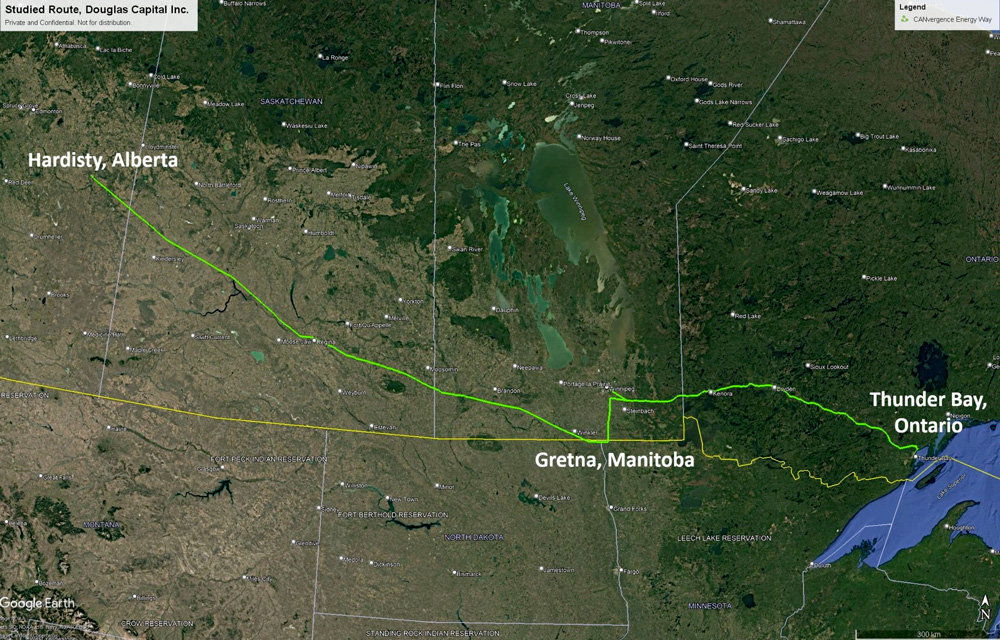
The CANvergence Energy Way is a proposed 1,800-kilometre multi-use energy and infrastructure corridor between Hardisty, Alberta and Thunder Bay, Ontario, designed from the ground up to be led, governed, and owned by the Indigenous communities whose lands, rights, and interests it touches.
First Nations, not governments, will decide which projects are built within this corridor.


Proposed Corridor Features
The shortest, fastest, and least expensive route for Alberta oil to tidewater is through Thunder Bay.
Indigenous-Led
Approximately 50 First Nations along the corridor are invited to govern and shape the project. Sovereignty and self-determination guide every decision.
Multi-Use Corridor
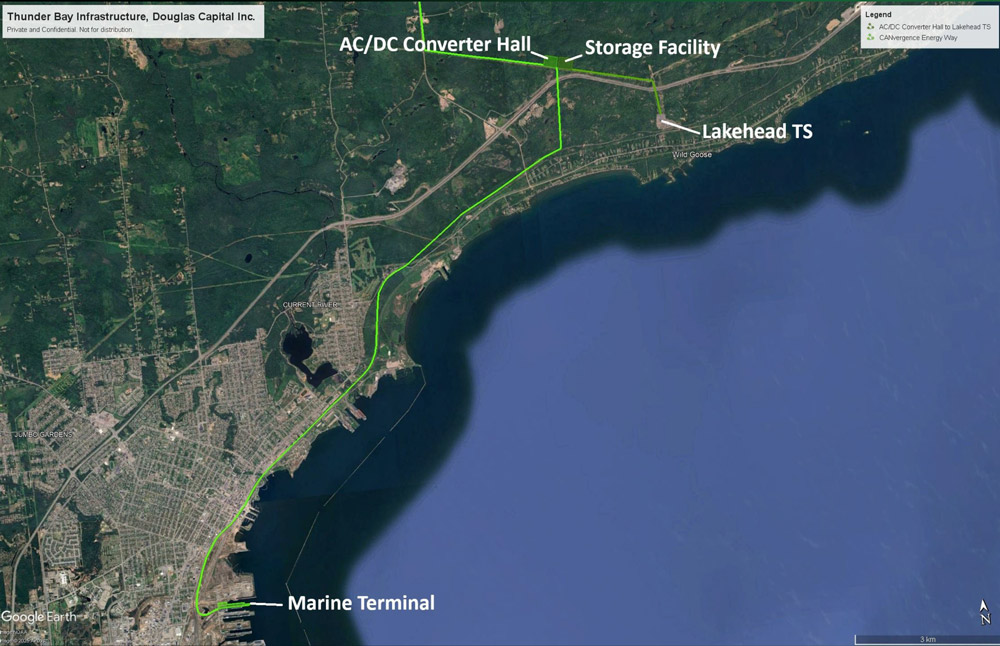
Three major projects being evaluated: an oil pipeline to tidewater, a 1,000 MW HVDC electrical transmission line, and a new marine terminal at Thunder Bay.
Transition-Oriented
Oil revenues fund the corridor today. Transmission infrastructure connects carbon-free power to markets. The corridor evolves with the energy transition.
Practical Routing
The majority of the corridor follows existing rights-of-way or runs parallel to the Trans-Canada Highway, reducing disturbance and accelerating development.
By the Numbers
1,800km
Hardisty, AB to Thunder Bay, ON
~50
Impacted Indigenous Communities
1,000MW
Proposed HVDC Transmission
100%
Equity Loans for Indigenous Partners
100% Indigenous Governed Corridor
The corridor lands will be governed by Indigenous CANvergence Lands LP, 100% controlled by participating Indigenous communities. Whether it's an oil pipeline or an HVDC transmission line, Indigenous communities will decide what is best for the energy corridor. These new projects within the corridor will be minimum 51% Indigenous owned.
The energy corridor and its resulting projects will be financed via 100% equity loans, including non-recourse equity loans for every Indigenous partner. No community needs to invest its own capital.
Explore the Partnership100%
Indigenous Governed
Corridor
51%
Indigenous Project
Control
100%
Equity Financing
Including non-recourse equity loans for all partners
Your Community's Voice Belongs in This Corridor
We are reaching out to First Nation leadership along the proposed route to explore partnership. There is no cost and no obligation to start the conversation.